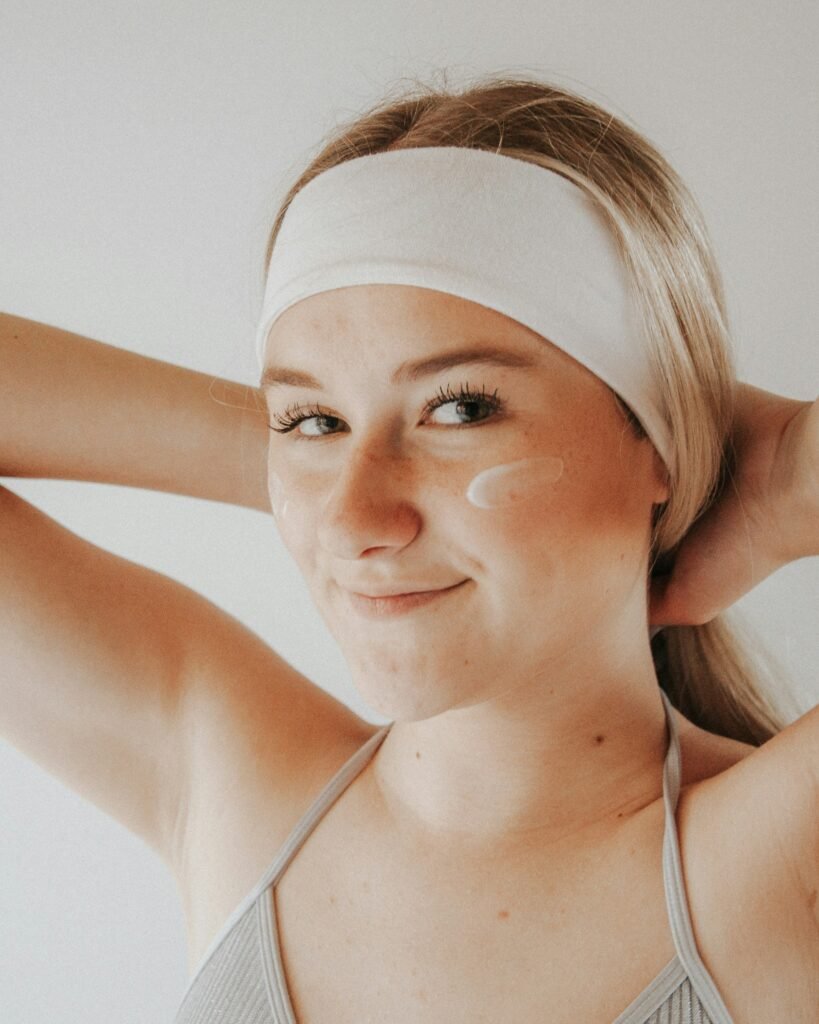
Understanding the Aging Process: Why We Need Anti-Aging Products
Aging is a complex biological process influenced by both intrinsic and extrinsic factors. Intrinsic aging is largely determined by our genetic makeup and the natural decline in cellular function over time. On the other hand, extrinsic aging results from environmental stressors such as UV radiation, pollution, and lifestyle choices that expedite the deterioration of skin and bodily functions.
One primary factor contributing to aging is the activity of free radicals—unstable molecules that damage cells through oxidative stress. These rogue molecules can cause significant harm, enhancing the skin’s aging process and leading to wrinkles, dark spots, and a loss of elasticity. Antioxidants, commonly found in anti-aging products, play a crucial role in neutralizing free radicals, thereby reducing oxidative stress and its aging effects.
Collagen production—a key component of skin structure—also diminishes with age. Collagen provides elasticity and firmness to the skin, and its breakdown results in sagging and fine lines. Anti-aging products often contain ingredients like retinoids and peptides that stimulate collagen production, helping to maintain a youthful appearance. Regular application can mitigate some of the visual signs of aging, making these products an integral part of one’s skincare routine.
Additionally, genetic predisposition dictates how quickly an individual shows signs of aging. While we cannot alter our genetic code, we can adopt preventive measures that delay these effects. Starting anti-aging treatments from a young age, even before noticeable signs appear, is a strategic approach. Using broad-spectrum sunscreens, hydrating moisturizers, and targeted serums can help preserve the skin’s youthfulness by combating the extrinsic factors that accelerate aging.
Common misconceptions about anti-aging products often center around their timing and necessity. These products are not merely for visible aging signs but are beneficial at any age as preventive and maintenance tools. Understanding these scientific principles provides a foundation for why incorporating anti-aging products into one’s daily regimen is essential for long-term skin health and vitality.
Top Anti-Aging Products for Every Age Group
When it comes to anti-aging products, there is no one-size-fits-all solution. Skin changes as we age, which means our skincare routines should evolve as well. This guide will help you navigate the best anti-aging products for your specific age group, from teens and twenties to fifties and beyond. Each age bracket has unique needs, and understanding the right ingredients and lifestyle choices can make all the difference.
Teens and Twenties
In this phase, the focus is on prevention. The skin is generally resilient, but starting a basic skincare routine can set the foundation for healthy skin in the future. Look for lightweight moisturizers with hyaluronic acid for hydration, and always use a broad-spectrum sunscreen with at least SPF 30. Antioxidants like Vitamin C serums can also provide a protective barrier against environmental stressors.
Incorporating products:
- Moisturizer: Choose products that are non-comedogenic and lightweight.
- Sunscreen: Apply generously every morning and reapply every two hours if you’re outdoors.
- Vitamin C Serum: Use in the morning after cleansing and before moisturizing.
Tips:
- Consider using a gentle cleanser that won’t strip your skin of its natural oils.
- Adopt a healthy diet rich in antioxidants to support your skincare regime from the inside out.
Thirties and Forties
This is the age group where the first signs of aging, such as fine lines and wrinkles, start to appear. A more robust anti-aging routine is recommended. Retinoids are a key ingredient at this stage as they promote cell turnover and stimulate collagen production. Hydration remains crucial, so continue using products with hyaluronic acid. Peptides are beneficial too, as they help in building new collagen. Adding an eye cream can also address early signs of aging around the delicate eye area.
Incorporating products:
- Retinoids: Start by using them once or twice a week, gradually increasing frequency.
- Peptides: Apply peptide-infused serums or moisturizers daily.
- Hyaluronic Acid: Continue using hyaluronic acid-based products for hydration.
- Eye Cream: Apply morning and night to combat dark circles and fine lines.
Tips:
- Be consistent with your skincare routine; results may take a few months to become visible.
- Adopt stress-reducing activities like yoga or meditation, as stress can accelerate aging.
Fifties and Beyond
As the skin’s natural repair mechanisms slow down, focus on deeply nourishing and restoring the skin. Look for richer, more emollient creams that contain ceramides and fatty acids to maintain hydration and repair the skin barrier. Continued use of antioxidants and retinoids is beneficial, but they may require formulations specifically designed for more mature skin. Collagen-boosting peptides and growth factors can also help maintain skin elasticity and firmness.
Incorporating products:
- Rich Moisturizers: Choose those with ceramides and fatty acids for deep hydration.
- Antioxidants: Continue using Vitamin C, E, and other antioxidants.
- Advanced Retinoids: Opt for formulations suited for mature skin.
- Growth Factors: Apply serums that stimulate cell renewal and collagen production.
Tips:
- Stay hydrated by drinking plenty of water throughout the day.
- Consider lifestyle choices such as a balanced diet, regular exercise, and sufficient sleep to support skin health.